 Bamboo STEM Tutoring
Marking & Proofreading
We offer rigorous marking and proofreading services for exam papers, continuous assessments, and university dissertations. Get detailed, constructive feedback to boost your grades.
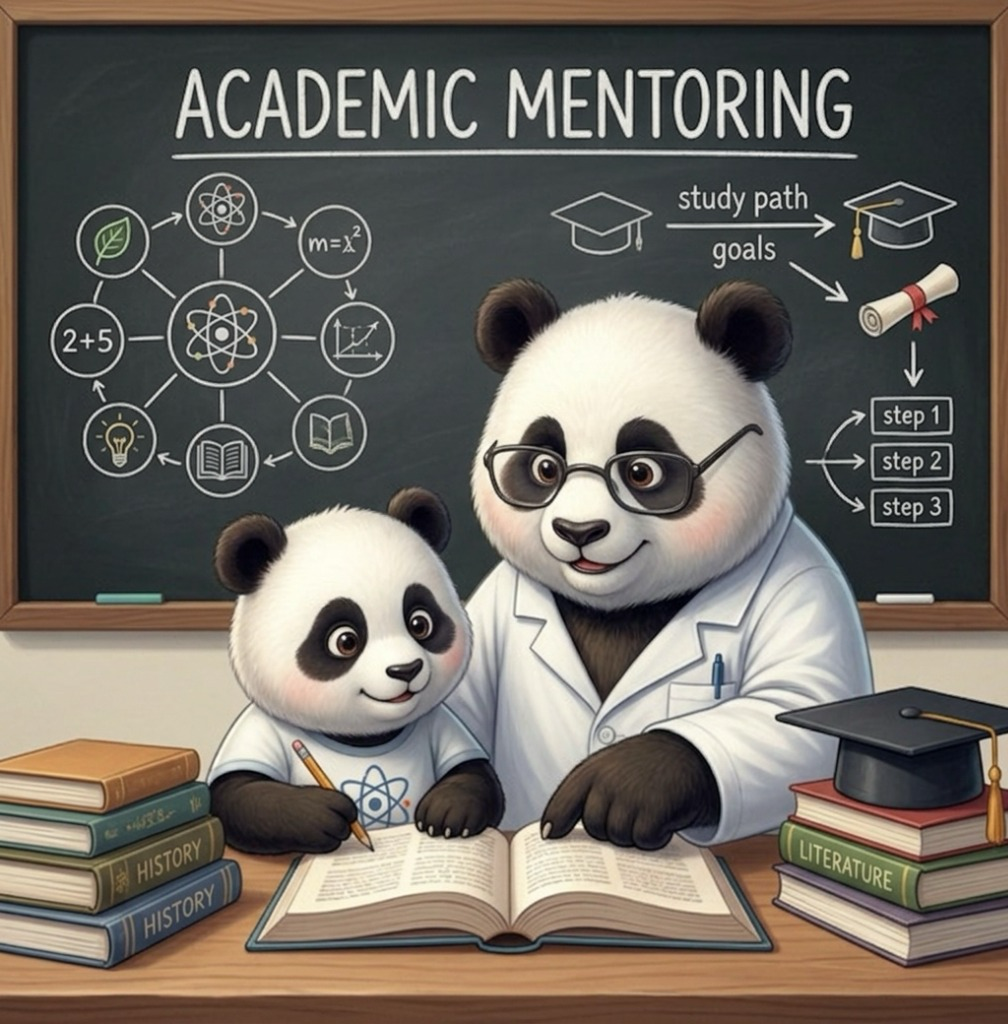
Academic Mentoring provides tailored one-to-one guidance to help students build effective study strategies, academic confidence, and structured learning pathways. We support students with goal setting, study planning, exam technique, revision strategies, and higher education applications, giving them the tools and mindset needed to achieve long-term educational success.
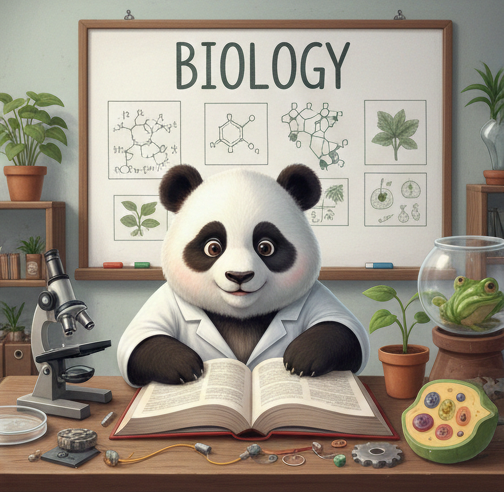
Biology introduces students to the study of living things, from simple observations to more detailed scientific understanding. At primary level, pupils learn about plants, animals, habitats, and the human body. Key Stage 3 develops this further with topics such as cells, nutrition, reproduction, and ecosystems. At GCSE level, students study more complex ideas including genetics, enzymes, homeostasis, ecology, and evolution, building strong subject knowledge and exam skills.
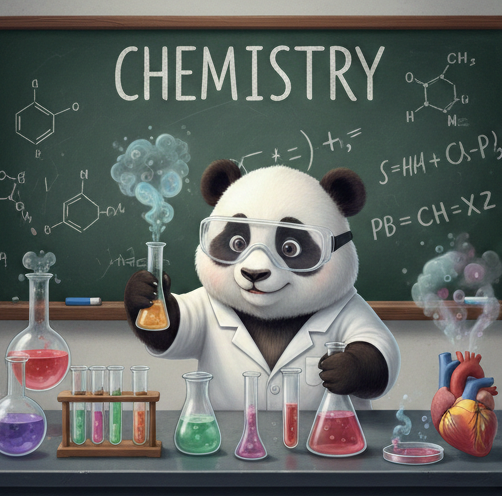
Chemistry explores the substances that make up our world and how they interact. At primary level, students learn about everyday materials, simple mixtures, and basic changes. Key Stage 3 introduces atoms, elements, compounds, acids and alkalis, and chemical reactions. At GCSE level, topics expand to include atomic structure, the periodic table, bonding, quantitative chemistry, rates of reaction, energy changes, and organic chemistry. A-Level chemistry builds on this with more advanced concepts such as kinetics, equilibrium, thermodynamics, advanced organic chemistry, and analytical techniques, preparing students for university-level study.
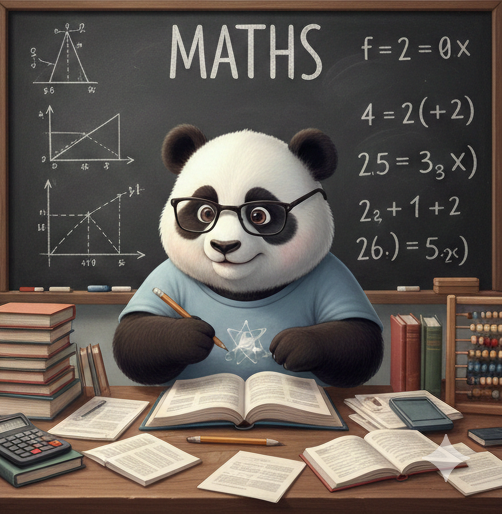
Maths helps students develop problem-solving and logical thinking skills, starting with everyday numbers and shapes. At primary level, pupils focus on basic arithmetic, shapes, measurements, and simple data. Key Stage 3 expands to fractions, decimals, percentages, algebra, geometry, and introductory statistics. At GCSE level, students tackle advanced topics like quadratic equations, probability, trigonometry, graphs, and higher-level algebra, preparing them for exams and practical applications.
Physics explores how the world works, from everyday forces to complex phenomena. At primary level, pupils learn about light, sound, movement, and basic materials. Key Stage 3 covers forces, energy, electricity, magnetism, waves, and the solar system. At GCSE level, students study more advanced topics such as motion, forces, energy, electricity, waves, magnetism, space, and the particle model, developing problem-solving and analytical skills.
In addition to individualized tutoring, we offer comprehensive marking and proofreading services to support your academic journey.
Empowering the next generation of innovators.